Blog

The Ultimate Guide to Electrical Connectors: Types, Functions, and Selection Criteria

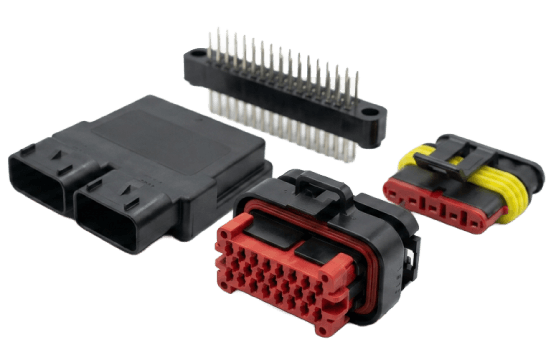
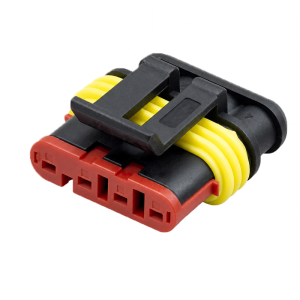
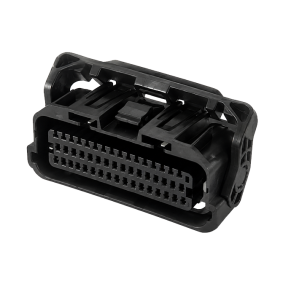
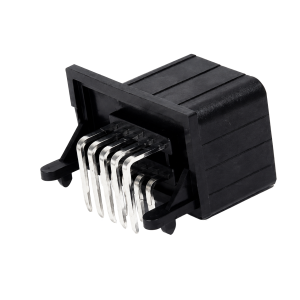
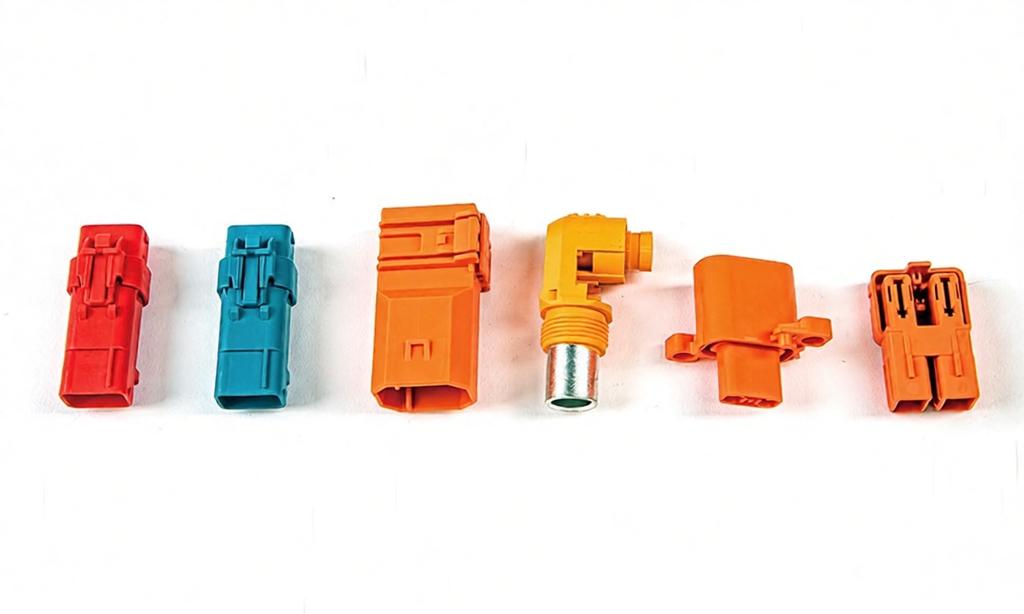
Electrical connectors are indispensable foundational components in electronic, automotive, medical, and industrial systems. Serving as the bridge for circuit connection, they ensure stable power transmission and accurate signal delivery between equipment, modules, and circuits.

The Ultimate Guide to Electrical Connectors: Types, Functions, and Selection Criteria

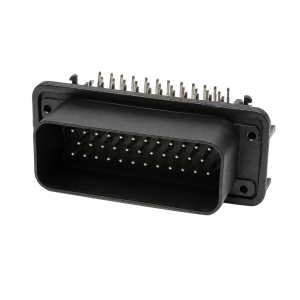
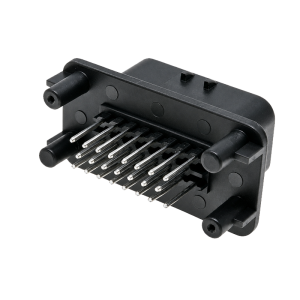
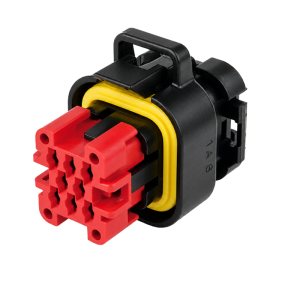
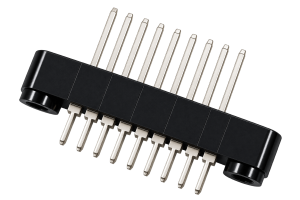
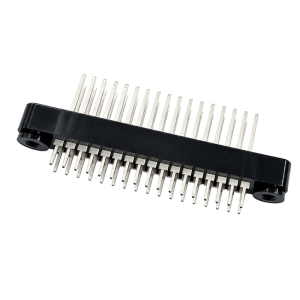
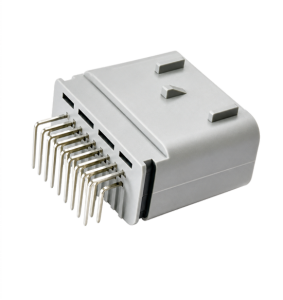
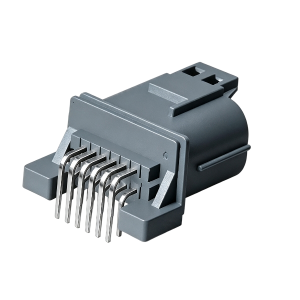
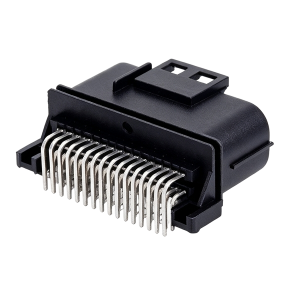
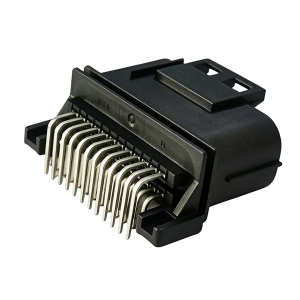
A complete connector set generally consists of a male plug (header/plug) and a female socket (jack/receptacle), enabling reusable mechanical connection and disconnection.

Unlike hard-wired circuits, connectors support flexible assembly, maintenance, and product iteration. Their core functions cover two key scenarios: conducting electrical power and transmitting various electrical signals. The quality and matching degree of connectors directly determine the overall stability, anti-interference performance, and service life of electronic systems.
Why Electrical Connectors Are Indispensable

Modern electronic equipment pursues miniaturization, high precision, and easy maintainability, making connectors an essential core part rather than a simple auxiliary accessory. Standardized and customized connectors bring multiple core values to product design and mass production:
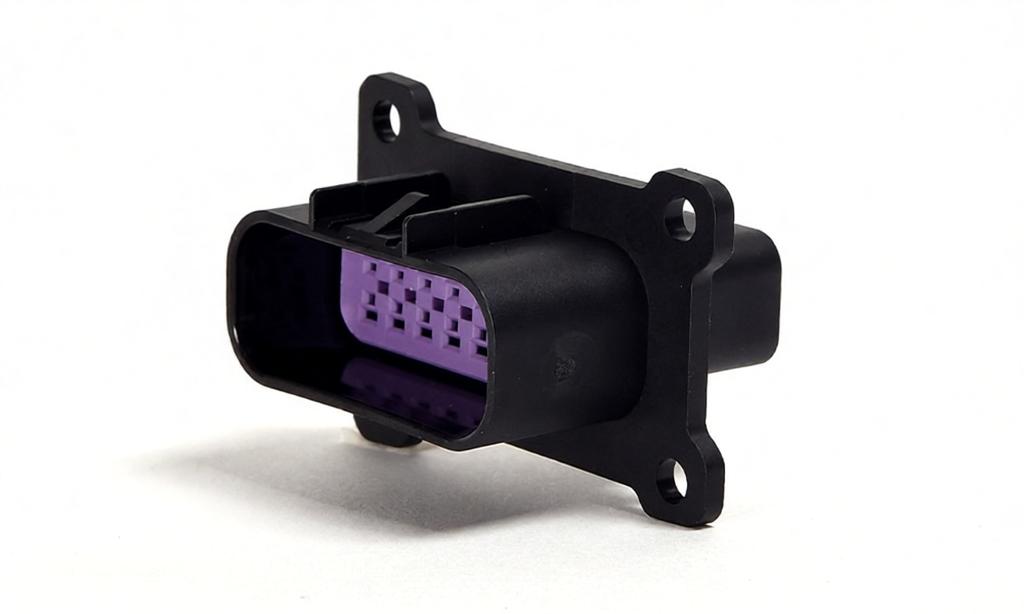
  • Higher Manufacturing Efficiency: Modular connector assembly replaces complex wiring operations, simplifying production processes and greatly improving batch production efficiency.
  • Convenient Maintenance & Upgrade: Faulty modules can be quickly unplugged and replaced without cutting or rewiring circuits, reducing after-sales maintenance costs.
  • Flexible Product Design: Connectors allow engineers to split product structures reasonably, realizing modular design, reducing equipment size, and optimizing overall cost control.
  • Stable System Operation: Professional connectors feature precise contact structure and reliable shielding performance, effectively avoiding poor contact and signal distortion.

Complete Classification of Common Connectors

Connectors can be classified from multiple dimensions including functional purpose, signal type, electrical parameters, application environment, shape structure, and application scenarios, covering almost all industrial and consumer electronic equipment.

1. Classification by Functional Connection

Classified according to the connection relationship between electronic components and modules:
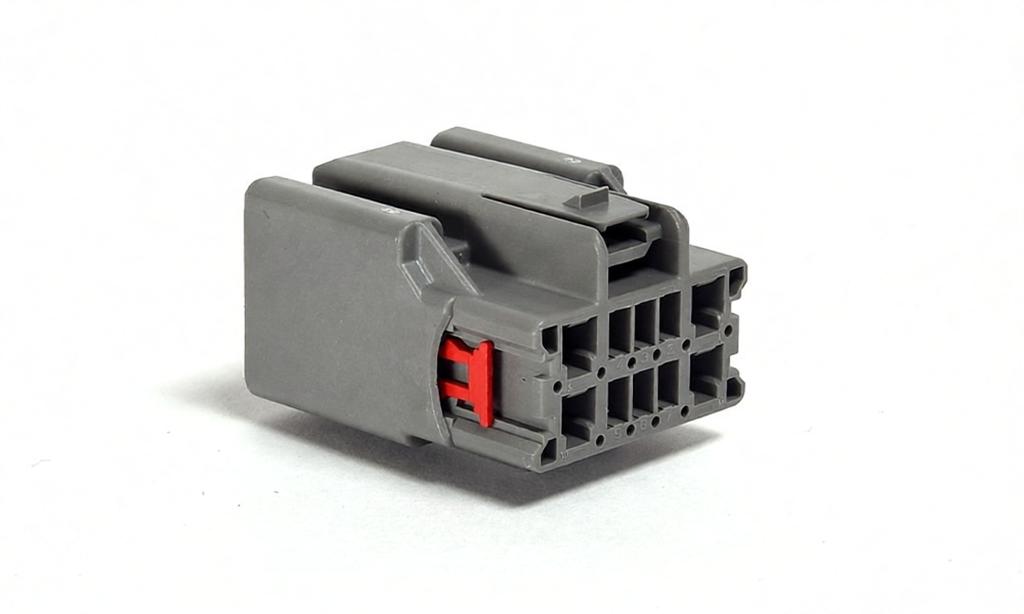
  • Component-to-Packaging Connectors: Connect discrete electronic components and packaging modules.
  • Packaging-to-Board Connectors: Link component packaging units to circuit boards.
  • Board-to-Board Connectors: Realize electrical interconnection between different PCBs inside equipment.
  • Component-to-Component Connectors: Connect independent components within the same system.
  • Component-to-I/O Connectors: Connect internal components to external input and output interfaces.
  • System-to-System Connectors: Complete signal and power interconnection between independent equipment systems.

2. Classification by Transmission Signal Type

  • Power Connectors: Specialized in stable transmission of operating current and system power, focusing on load capacity and heat resistance.
  • Signal Connectors: Mainly used for low-current signal transmission such as data, sensing and control signals, requiring high stability and low loss.
  • High-Frequency Connectors: Customized for high-speed and high-frequency data transmission, widely used in communication and precision electronic equipment.

3. Classification by Electrical Performance Requirements

  • General-Purpose Connectors: Standard specifications, suitable for conventional low-power and ordinary signal scenarios.
  • High-Power Connectors: Optimized for large current load, applied in industrial equipment and power supply systems.
  • High-Voltage Connectors: Withstand high-voltage working environment, equipped with reinforced insulation and breakdown resistance.
  • Pulse Connectors: Adapt to high-speed pulse signal transmission, ensuring no signal delay or distortion.
  • Low-Noise Connectors: Adopt professional shielding structure to suppress electromagnetic noise, suitable for precision measurement equipment.
  • Precision Coaxial Connectors: For RF radio frequency and high-precision signal transmission scenarios.

4. Classification by Working Environment

  • Waterproof & Dustproof Sealed Connectors: IP-rated sealed design, suitable for outdoor, vehicle and harsh dusty environments.
  • High-Pressure Resistant Connectors: Special structural reinforcement, adapting to high-pressure working conditions.
  • High-Vacuum Connectors: Applied in vacuum equipment and precision laboratory instruments.
  • Three-Proof Connectors: Integrate waterproof, dustproof and anti-corrosion performance, widely used in industrial and military fields.
  • Radiation-Resistant Connectors: Resist radiation aging, suitable for aerospace and special industrial scenarios.
  • High/Low Temperature Resistant Connectors: Maintain stable performance in extreme high-temperature or low-temperature freezing environments.

5. Classification by Shape & Structure

  • Circular Connectors: Round structural design, supporting quick plug-in, thread locking, push-pull self-locking and other methods, commonly used in aerospace, military and industrial equipment.
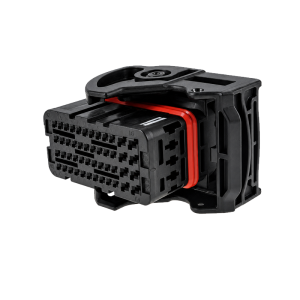
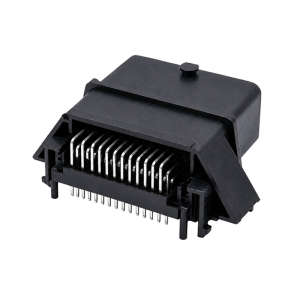
  • Rectangular Connectors: Compact rectangular structure, mostly used for PCB board connection, consumer electronics and general industrial equipment, featuring simple assembly and stable locking.

6. Classification by Application Scenario

  • RF Connectors: Professional radio frequency connectors for wireless communication and high-frequency signal transmission.
  • Fiber-Optic Connectors: Realize optical signal transmission for communication and optical fiber sensing systems.
  • Non-Contact Connectors: Complete signal induction without physical contact, represented by proximity switches and wireless induction modules.

Core Connector Selection Criteria (Step-by-Step)

Reasonable connector selection is the key to ensuring long-term stable operation of equipment. Engineers need to comprehensively evaluate electrical performance, mechanical structure, environmental adaptability and usage frequency:

1. Current & Power Load Capacity

For power connectors, confirm the rated current and power margin strictly. Select specifications with sufficient load capacity according to the peak operating current to avoid overheating, voltage drop and aging failure caused by overload.

2. Overall Size & Mounting Method

Match the connector volume and installation method according to the equipment internal space. For miniaturized precision equipment, select compact low-profile connectors to avoid assembly space conflicts.

3. Impedance Matching Performance

For RF and high-frequency signal transmission scenarios, impedance matching is a core indicator. Mismatched impedance will cause signal reflection, attenuation and data loss, directly reducing equipment accuracy.

4. Electromagnetic Shielding Ability

Precision electronic, medical and communication equipment requires connectors with excellent shielding performance to resist external EMI/RFI interference and ensure signal integrity.

5. Anti-Misplug & Error-Proof Design

Priority shall be given to polarized and directional error-proof connectors to prevent wrong insertion and reverse assembly, effectively avoiding circuit short circuit and equipment damage.

6. Contact Reliability

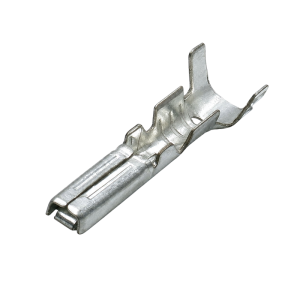
Select high-reliability contact structures: surface contact is more stable than point contact, and pin-type connectors have better long-term durability than spring structures, reducing poor contact failure rate.

7. Environmental Adaptability

Select corresponding temperature-resistant, waterproof, dustproof and anti-corrosion connectors according to the actual working environment to adapt to extreme temperature, humidity and corrosive conditions.

8. Plugging & Unplugging Cycle Life

For frequently plugged and unplugged interfaces, select connectors with high cycle life and hot-swap support to ensure stable performance after long-term repeated use.

Summary of Standard Selection Logic

The perfect connector matching needs to balance electrical performance, mechanical structure and environmental adaptability. Only by selecting connectors according to actual project parameters can we ensure equipment safety, stable signal transmission and long service life, while controlling comprehensive production costs.

Tags

Company

Industry

Technology

Media

Latest from Mastdew

Explore More
whatsapp