Get a Quote
In modern automotive systems, medical devices, smart electronics, and industrial equipment, stable electrical connection performance directly determines product safety and service life. As the core process of wire harness assembly, terminal crimping connects wire conductors and metal terminals through mechanical compression.
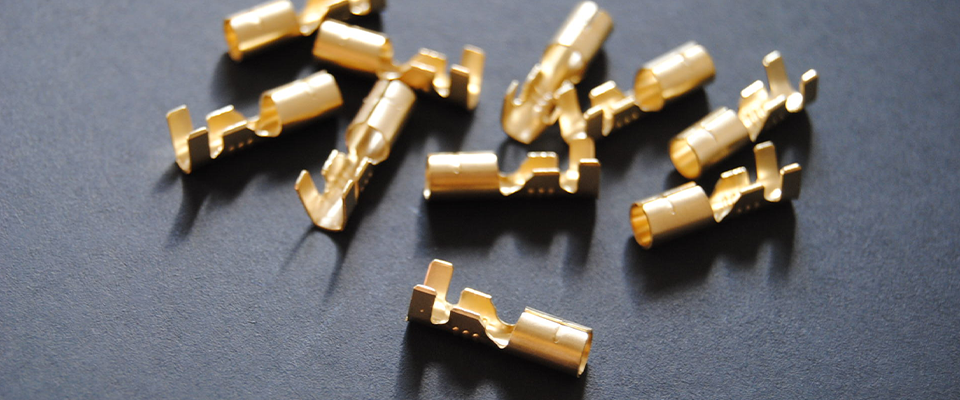
Crimp quality is the key factor that affects circuit stability, vibration resistance, and electrical conductivity. Mastering standard crimp quality judgment methods can effectively avoid poor contact, overheating, and circuit failure, ensuring long-term reliable operation of custom wire harnesses.
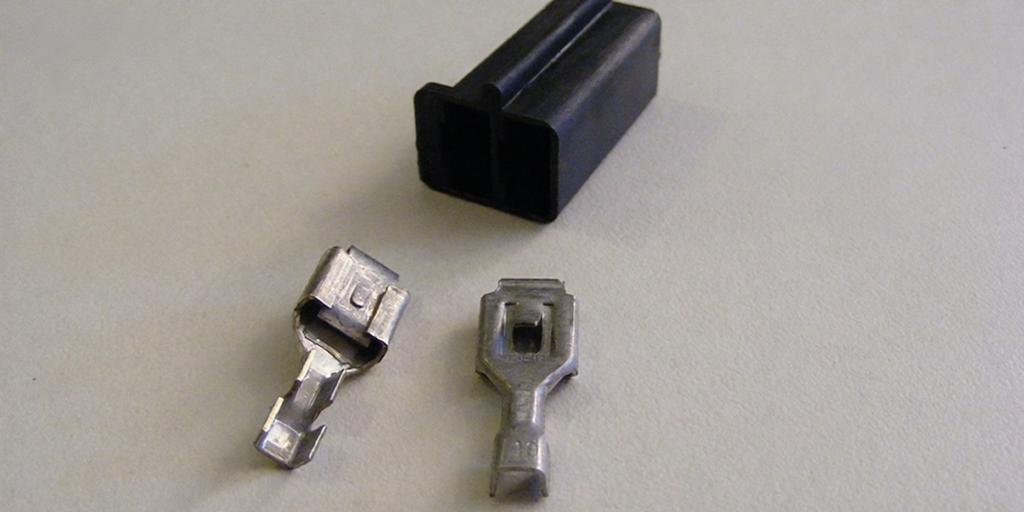
Crimping is a permanent mechanical connection process that integrates wire strands and terminal barrels into a single unit. High-quality crimping brings three core advantages for wire harness systems:
In contrast, defective crimping will cause hidden dangers such as virtual connection, signal interruption, and local overheating. For high-standard fields including automotive wiring and medical equipment harnesses, unqualified crimping may even trigger equipment failure and safety accidents.
1. Standard Crimp Height and Compression Degree
Crimp height and crimp width are the most intuitive and accurate dimensional indicators for judging crimp quality. Professional production follows strict standard compression ratios:
The terminal barrel must evenly wrap the wire strands without excessive compression or insufficient fitting. Loose crimping leads to excessive contact resistance and easy wire loosening; over-compression will crush conductor strands, damage wire structure, and reduce tensile strength and service life. Precise crimp dimension control is the foundation of consistent batch quality.
2. Qualified Pull-Out (Tensile) Strength
Pull-out strength testing is a mandatory mechanical inspection item for crimped terminals. It detects the maximum tension that the wire-terminal crimp structure can withstand.
Different wire gauges and terminal specifications have corresponding standard tensile values. Qualified crimping can withstand the rated pull force without detachment or strand breakage. Stable tensile strength represents uniform crimping process and reliable mechanical connection.
3. Low and Stable Electrical Conductivity
Excellent crimping maintains ultra-low contact resistance to ensure loss-free current and signal transmission. Incomplete compression, messy strands, and surface contamination will lead to increased contact resistance, causing local heating, voltage drop, and unstable signal transmission. Regular sampling resistance testing can effectively screen out unqualified products and eliminate hidden quality risks in advance.
4. Standard Visual Appearance Inspection
Visual inspection is the basic and efficient first-line inspection standard for crimp quality. A perfect crimp must meet the following appearance requirements:
For high-precision medical and automotive harnesses, microscopic inspection is also used to observe internal strand arrangement and compression uniformity.
5. Strict Process Control and Tool Calibration
Crimp quality depends on standardized process management rather than manual operation alone. Professional harness manufacturers will match exclusive crimping dies and tools according to wire gauge and terminal models. Regular tool calibration, wear detection and maintenance are essential to avoid dimensional deviation caused by aging equipment. Automated production also monitors crimping force and height in real time to ensure zero defective products in batches.
6. Compliance with International Industry Standards
Reliable crimping quality must comply with authoritative industry specifications, including IPC/WHMA-A-620 general electronic harness standard and USCAR-21 automotive crimping standard. These standards clearly define crimp dimension tolerance, tensile strength range, compression ratio and inspection frequency, providing unified quality evaluation criteria for mass production.
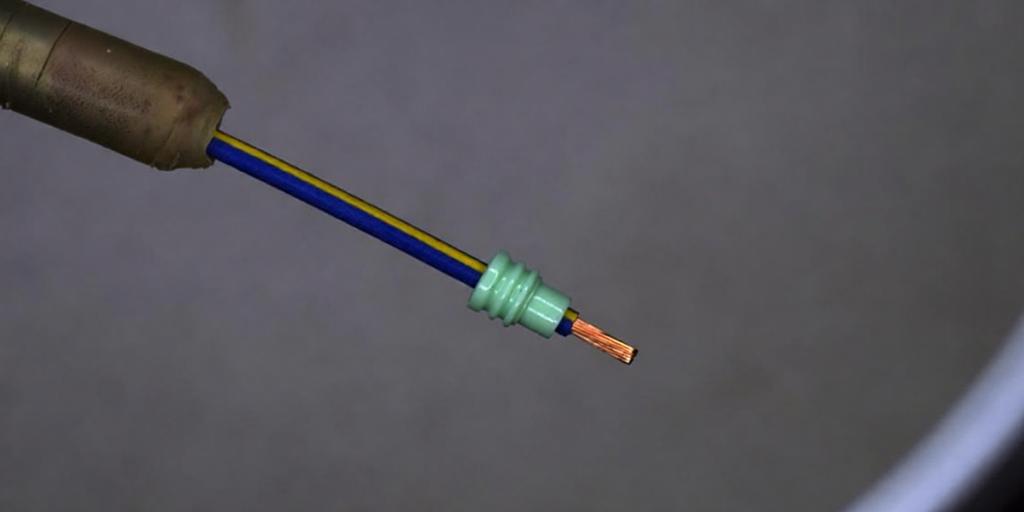
When selecting a custom wire harness supplier, crimping process capability is a core evaluation dimension. You can judge the supplier’s professionalism through the following details:
With 26 years of professional wire harness and cable assembly manufacturing experience, TSP Technology strictly follows international industry standards in terminal crimping production. We implement full-process standardized control from tool matching, precision crimping molding to sampling testing, providing high-reliability crimped harness products for automotive, medical, industrial and smart device industries.
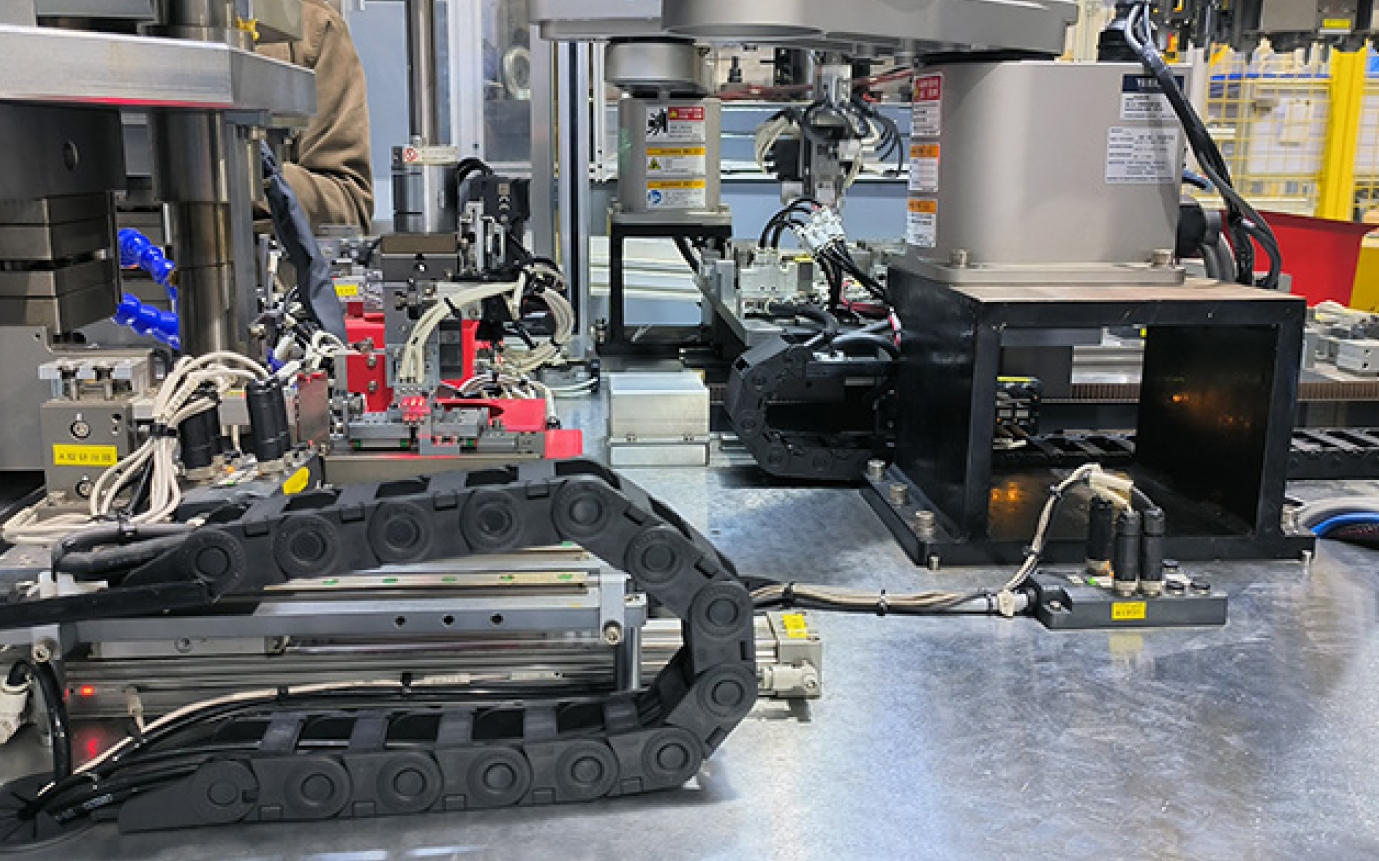


Send us your specification or sample — our engineering team responds with a feasibility review and quotation.

Dutch

English

French

German

Italian

Portuguese

Russian

Spanish