Get a Quote
A Battery Management System (BMS) acts as the intelligent core of all modern lithium battery systems, widely applied in residential energy storage systems (ESS), large-scale energy storage power stations, electric vehicles, AGVs, and industrial power supply equipment. As LFP (LiFePO4) and ESS battery technologies continue to upgrade, the BMS wiring harness has become a key component that determines overall system safety and operational stability.

All core functions including high-precision sampling, real-time signal transmission, stable communication, and safe current transmission rely on scientifically designed and high-reliability BMS harnesses. This article systematically elaborates on the structural design essentials, signal transmission standards, and safety manufacturing requirements of BMS wiring harnesses for EV and ESS scenarios.
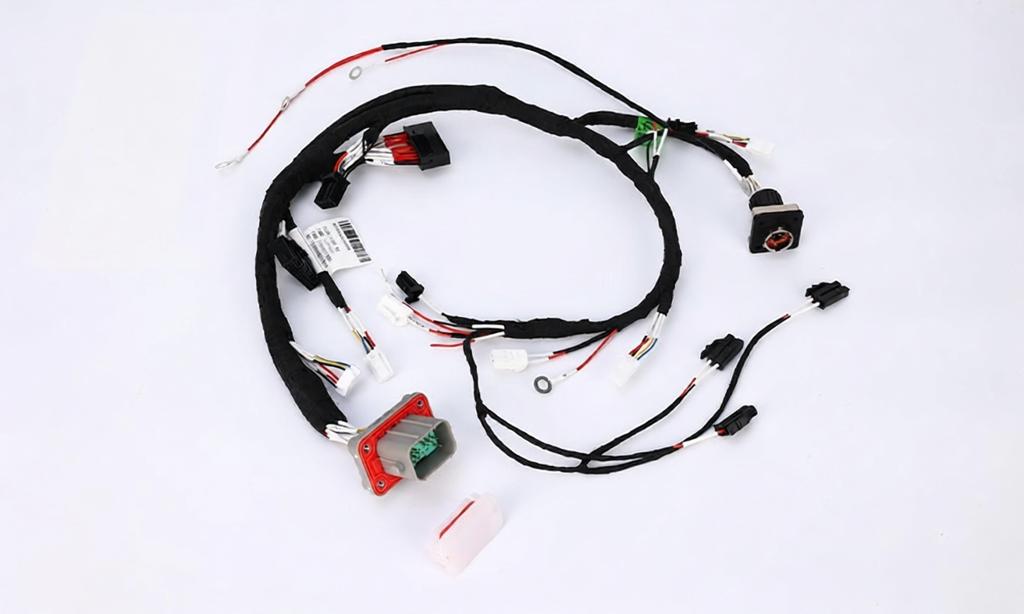
The BMS wiring harness is not a simple combination of wires, but the neural network of the lithium battery system. It undertakes all core data collection and control signal transmission tasks throughout the battery pack. Its main functions cover:
Poor-quality or improperly designed BMS harnesses will cause signal loss, transmission delay, and electromagnetic interference, triggering a series of severe battery system failures:
It is evident that high-reliability BMS wiring harnesses are the fundamental guarantee for EV-grade battery safety and long-term stable operation of energy storage systems.
BMS harnesses for new energy vehicles and energy storage systems require high precision, vibration resistance, interference resistance and long durability. The core design specifications are summarized as follows:
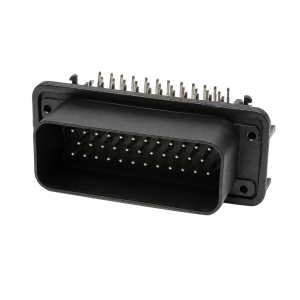
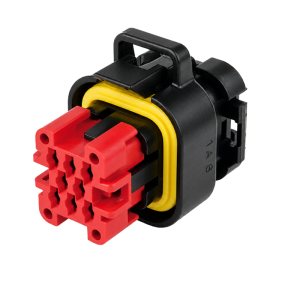
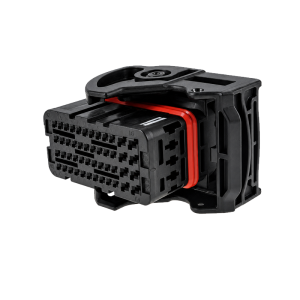
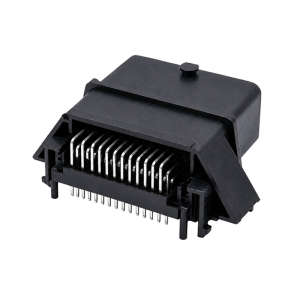
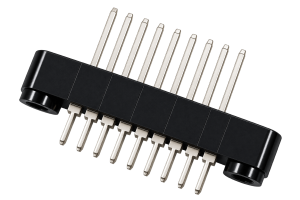
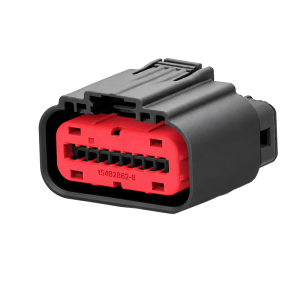
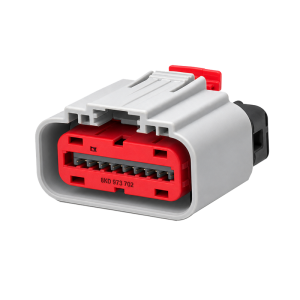
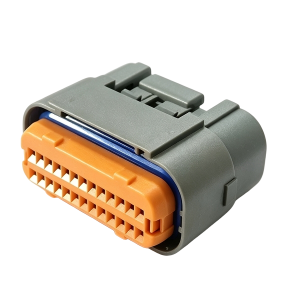
2.1 Scientific High-Density Connector Matching
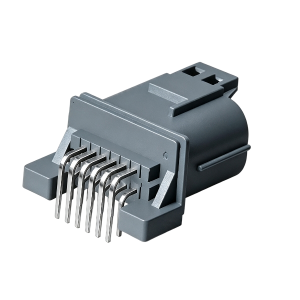
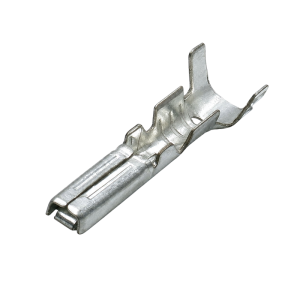
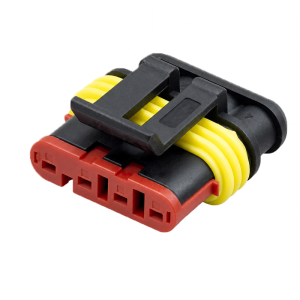
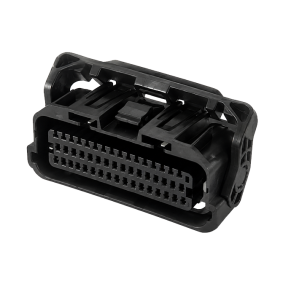
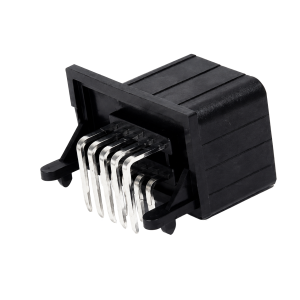
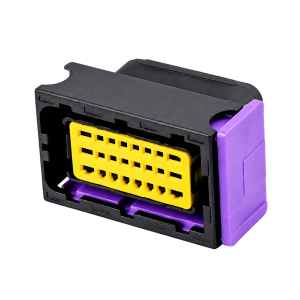
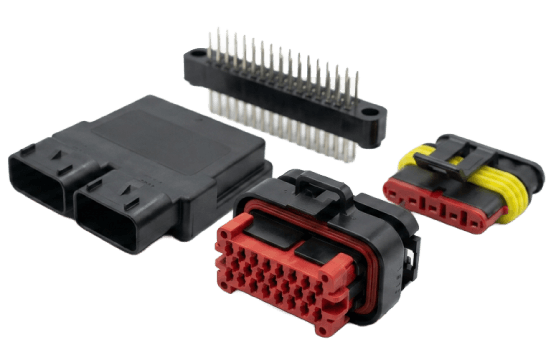
The BMS harness connects multiple core components inside the battery pack, and the connector selection directly determines assembly accuracy and signal stability. It is mainly matched with:
2.2 Balanced Voltage Sampling Loop Architecture
For mainstream LFP and NCM lithium battery systems, the sampling harness topology must follow balanced design principles:
2.3 High-Stability Temperature Sensing Network
Temperature monitoring is the core early warning barrier for ESS and EV battery thermal safety. The temperature sensing harness is designed with:
Accurate and real-time temperature signal feedback effectively avoids thermal runaway accidents in large energy storage battery packs.
2.4 Strict High-Voltage and Low-Voltage Isolation Design
To eliminate EMI electromagnetic interference and ensure system safety, BMS harnesses implement strict HV/LV separation:
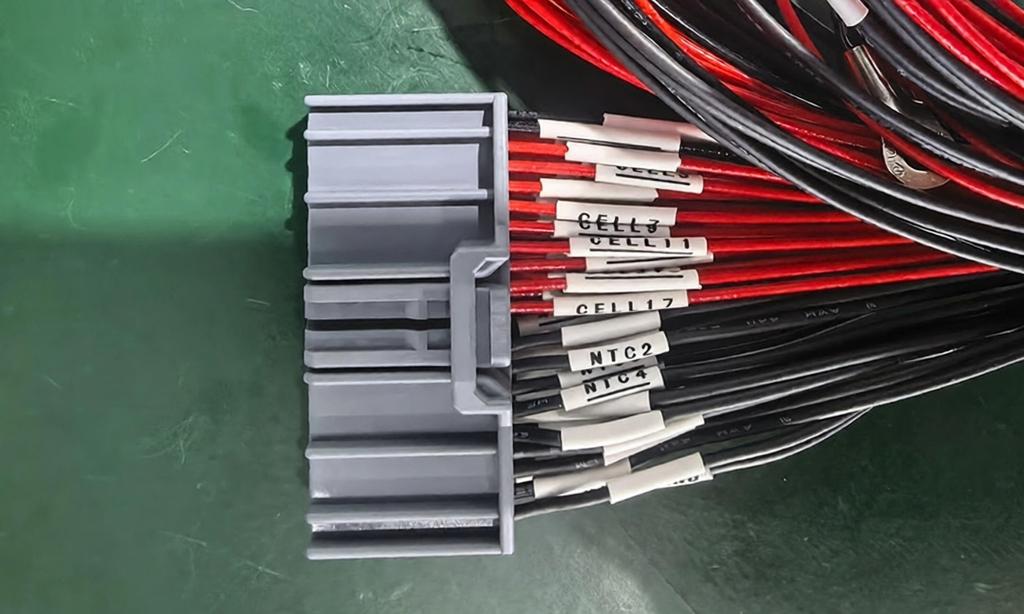
Signal transmission accuracy and stability are the key indicators to measure BMS harness quality, directly affecting battery management precision.
3.1 Cell Voltage Sampling Accuracy
Voltage sampling lines must maintain ultra-low resistance and consistent voltage drop to avoid data deviation. High-quality BMS harnesses adopt anti-interference shielding and precise wire gauge matching to ensure minimal signal loss and realize real and accurate cell voltage collection.
3.2 Temperature Signal Stability
Battery thermal management relies entirely on NTC temperature sensing data. Unstable temperature signals will cause system misjudgment: low sensitivity leads to undiscovered thermal risks, while excessive sensitivity triggers false alarms and unnecessary equipment shutdowns, affecting ESS and EV operational efficiency.
3.3 Reliable Long-Distance Communication
BMS systems commonly use CAN 2.0B, CAN FD, RS485, SMBus/I2C, and UART communication protocols. To ensure stable data interaction in complex electromagnetic environments, communication harnesses must adopt:
This design is essential for high-speed data transmission of electric vehicles, heavy equipment, and large industrial energy storage systems.
EV and ESS battery systems have extremely strict requirements for harness durability, environmental adaptability and safety certification. Qualified BMS harnesses must meet the following standards:
4.1 Premium Wire Materials
4.2 Mechanical & Environmental Resistance
BMS harnesses need to adapt to long-term complex working conditions, resisting vibration fatigue, temperature cycling, chemical corrosion, and frequent installation bending damage.
4.3 Industry Safety Certification Compliance
All products comply with international and industry authoritative standards:
All TSP BMS harnesses support full certification documents to meet customer market access requirements.
TSP is a professional global precision harness and connector solution manufacturer, with overseas production bases in Mexico and Morocco. We focus on customized harness R&D and production for new energy vehicles, energy storage ESS, medical equipment and industrial fields.
We have long-term cooperative relationships with world-renowned brands such as TE Connectivity, Sensata, Phoenix Contact, and Molex.
Widely applicable to EV battery packs, LFP energy storage cabinets, communication backup power supplies, household ESS energy storage, AGV/AMR robot batteries, and UPS power supply systems.



Send us your specification or sample — our engineering team responds with a feasibility review and quotation.

Dutch

English

French

German

Italian

Portuguese

Russian

Spanish