Get a Quote
In this guide, we break down the core factors that determine precision mold accuracy, covering mold materials, design, machining, molding processes, and production environments — all critical for reliable, consistent high-precision molding results.
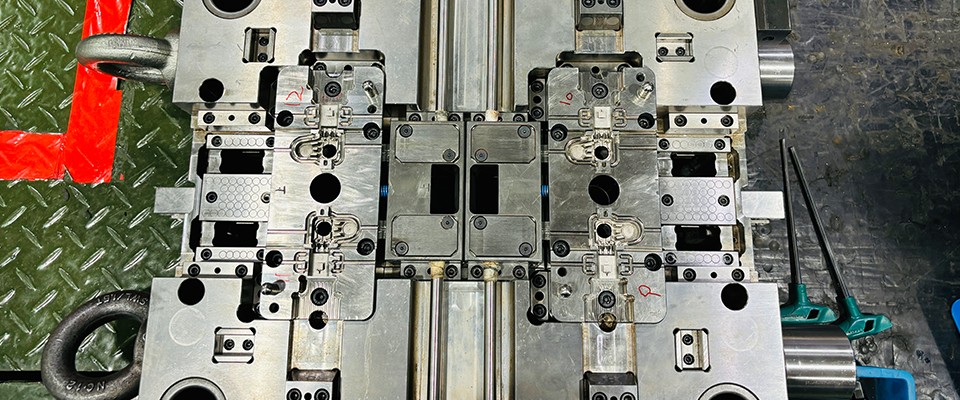
Precision molds are the core foundation of high-quality manufacturing for electronic components, connectors, wiring harness parts, and medical devices. In high-precision production scenarios, even tiny dimensional errors can trigger product assembly failures, unstable functional performance, and high defective rates, directly increasing production costs and damaging brand credibility.
For manufacturers and purchasers focusing on tight-tolerance molded parts, understanding the key factors affecting precision mold accuracy is essential to control product quality, stabilize mass production, and reduce rejection risks.
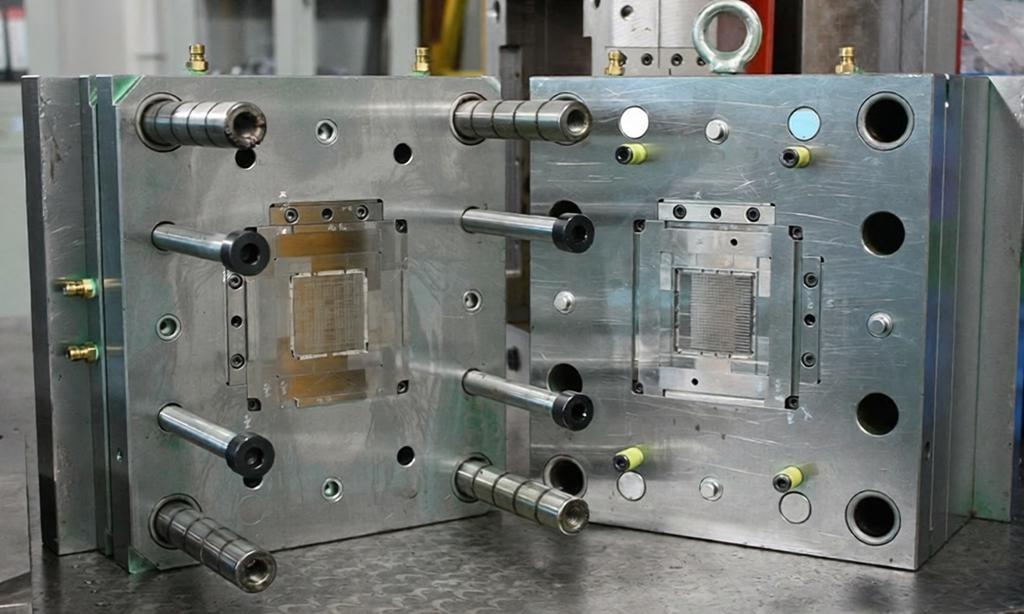
Material quality is the primary prerequisite for long-term mold accuracy. Inferior materials will cause irreversible deformation and dimensional deviation throughout machining and mass production, no matter how sophisticated the processing technology is.
Premium precision molds adopt high-grade mold steel with stable chemical composition, uniform heat treatment effect, and extremely low internal stress. Such steel effectively avoids deformation, shrinkage, and distortion during long-cycle continuous production. In contrast, low-quality steel or improper heat treatment leads to frequent mold deformation, resulting in unstable product dimensions and shortened mold service life.
All plastic materials have unique physical characteristics including shrinkage rate, crystallization degree, and thermal expansion coefficient. If the mold design fails to fully adapt to the specific properties of the target plastic material, finished products will suffer from dimensional deviation, warpage, and shrinkage cavities — even if the mold itself achieves perfect machining accuracy.
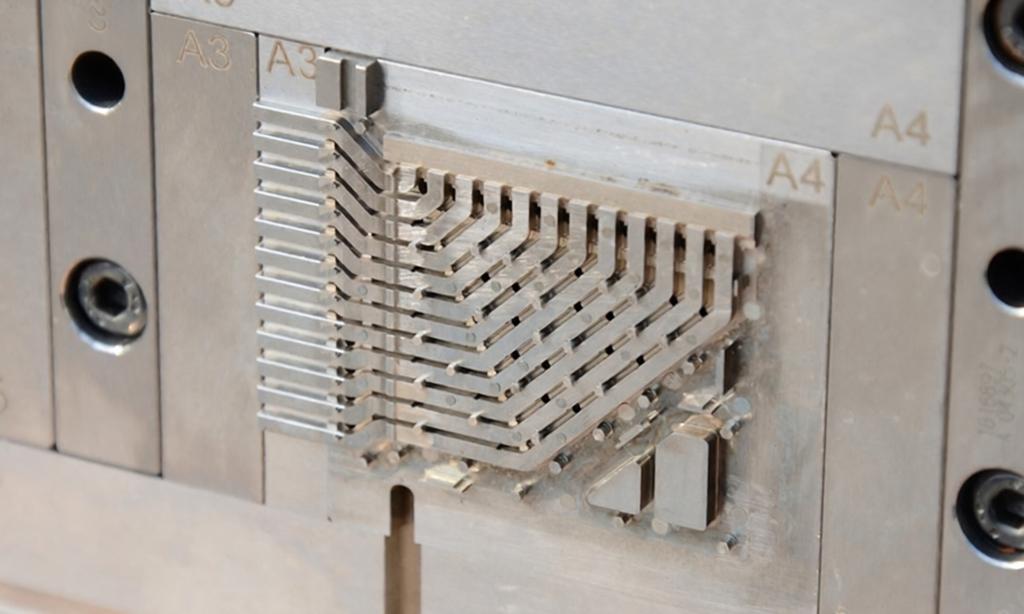
Mold design determines the inherent accuracy ceiling of a mold. Unreasonable structural design will leave inherent defects that cannot be compensated by later machining and process adjustment.
High-precision mold design focuses on scientific gate position, optimized runner system, uniform cooling pipeline layout, and efficient exhaust structure. A well-designed structure ensures balanced plastic filling, eliminates internal stress concentration, and avoids common defects such as product warpage, deformation, and uneven wall thickness.
Precision molds are composed of multiple matching components. The tolerance of each part directly affects the overall assembly accuracy and operational stability. Professional manufacturers implement refined tolerance allocation for different mold components, ensuring seamless assembly consistency and maintaining stable micron-level accuracy in long-term high-volume production.
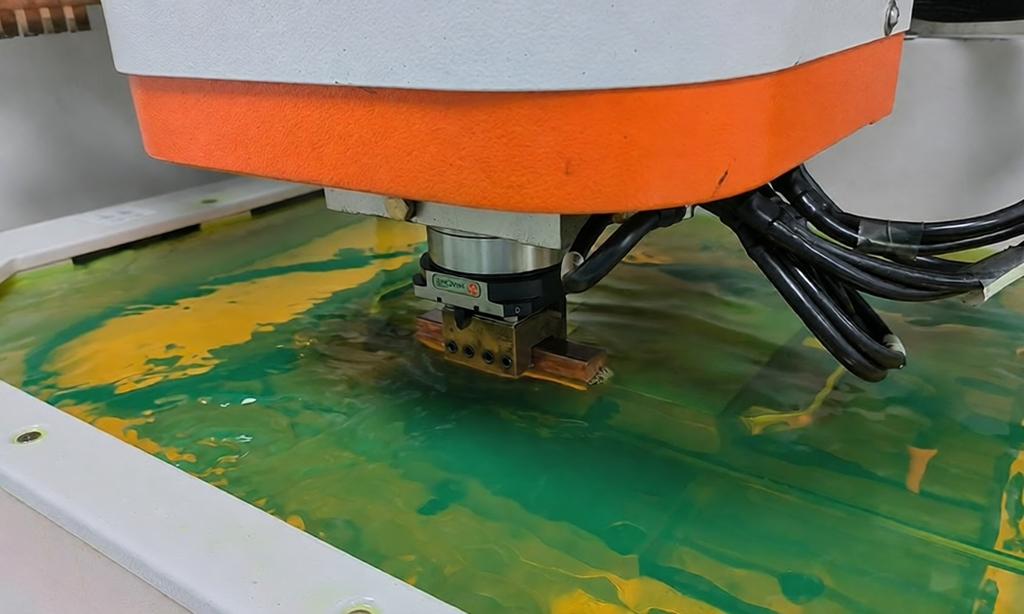
Excellent design solutions rely on advanced machining technology to be realized. Machining equipment, processing technology, and process management together determine the final dimensional accuracy of the mold.
High-accuracy molds depend on advanced CNC machining, precision grinding, EDM, and fine finishing processes. The repeatability and stability of machining equipment directly influence dimensional consistency between mold components.
Professional manufacturers strictly control tool wear, thermal deformation, and multi-stage stress relief during machining. These refined process controls are the key to maintaining micron-level mold accuracy.
A high-precision mold cannot deliver qualified products without standardized and stable injection molding process control. Process parameters directly affect the final dimension and appearance of molded parts.
Key controllable parameters include injection pressure, injection speed, mold temperature, holding pressure, and cooling time. Precision molding requires narrow and stable process windows, demanding professional technical tuning and stable molding systems to avoid dimensional fluctuation.
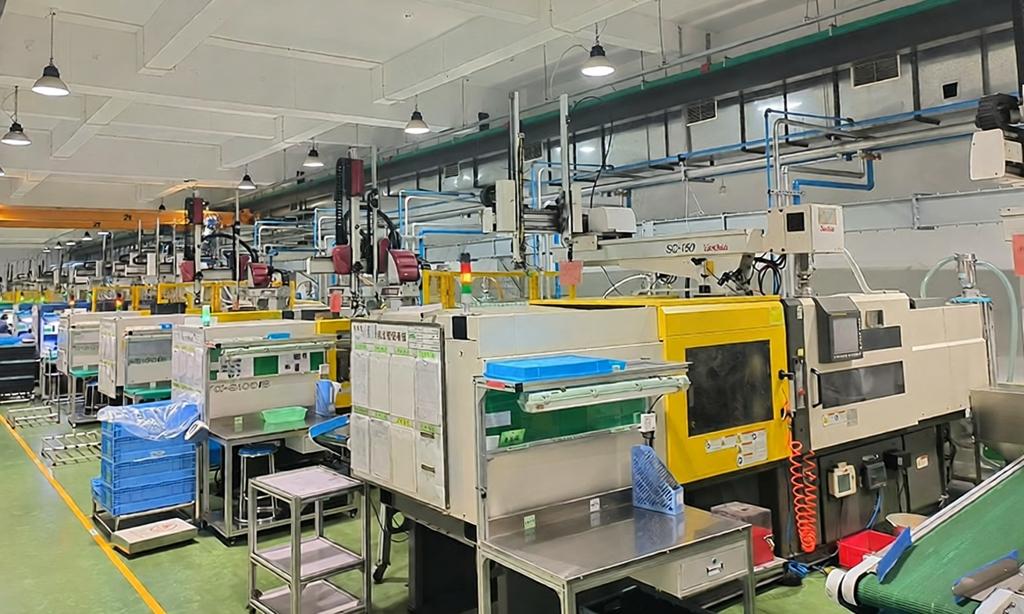
High-precision production requires injection machines with high repeatability, stable pressure output, and accurate temperature regulation. Equipment jitter and parameter drift will directly cause dimensional variation of finished parts.
Workshop temperature and humidity changes will subtly affect plastic fluidity and mold thermal balance. For long-term mass production of high-precision parts, a constant production environment is essential to maintain consistent product accuracy.
Mold accuracy is never determined by a single factor. It relies on a complete systematic manufacturing solution covering professional design, high-precision machining, standardized process control, and strict quality management.
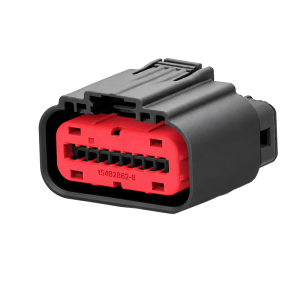
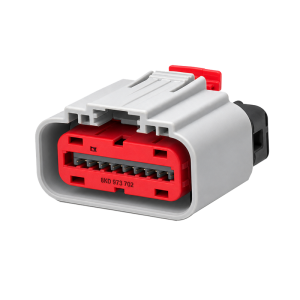
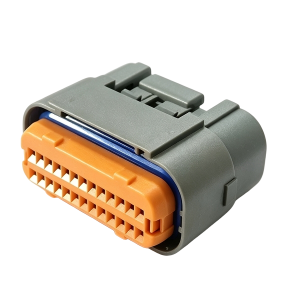
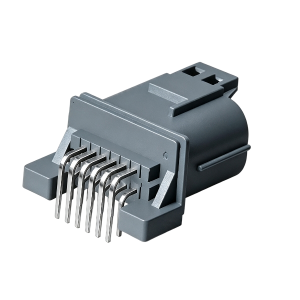
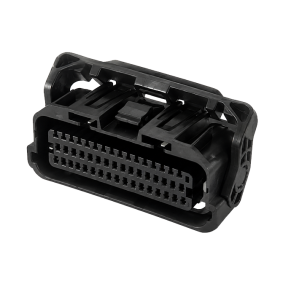
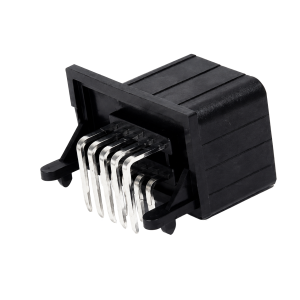
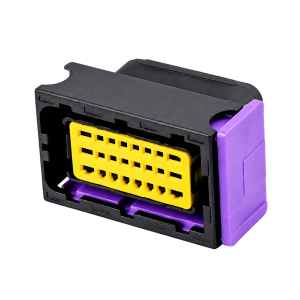
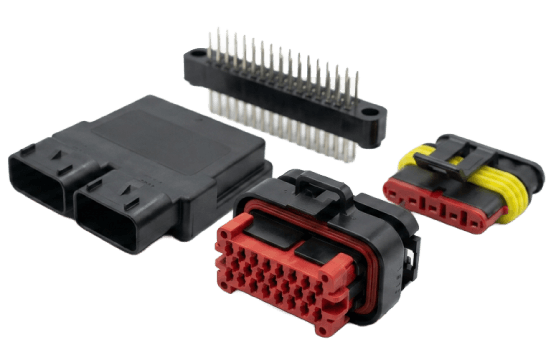
Reliable precision mold manufacturers provide customized mold design according to product application scenarios, stabilize machining quality, and ensure consistent dimensional accuracy throughout mass production cycles. This is especially critical for high-standard components such as connectors and wiring harness parts that require high reliability and tight tolerance consistency.
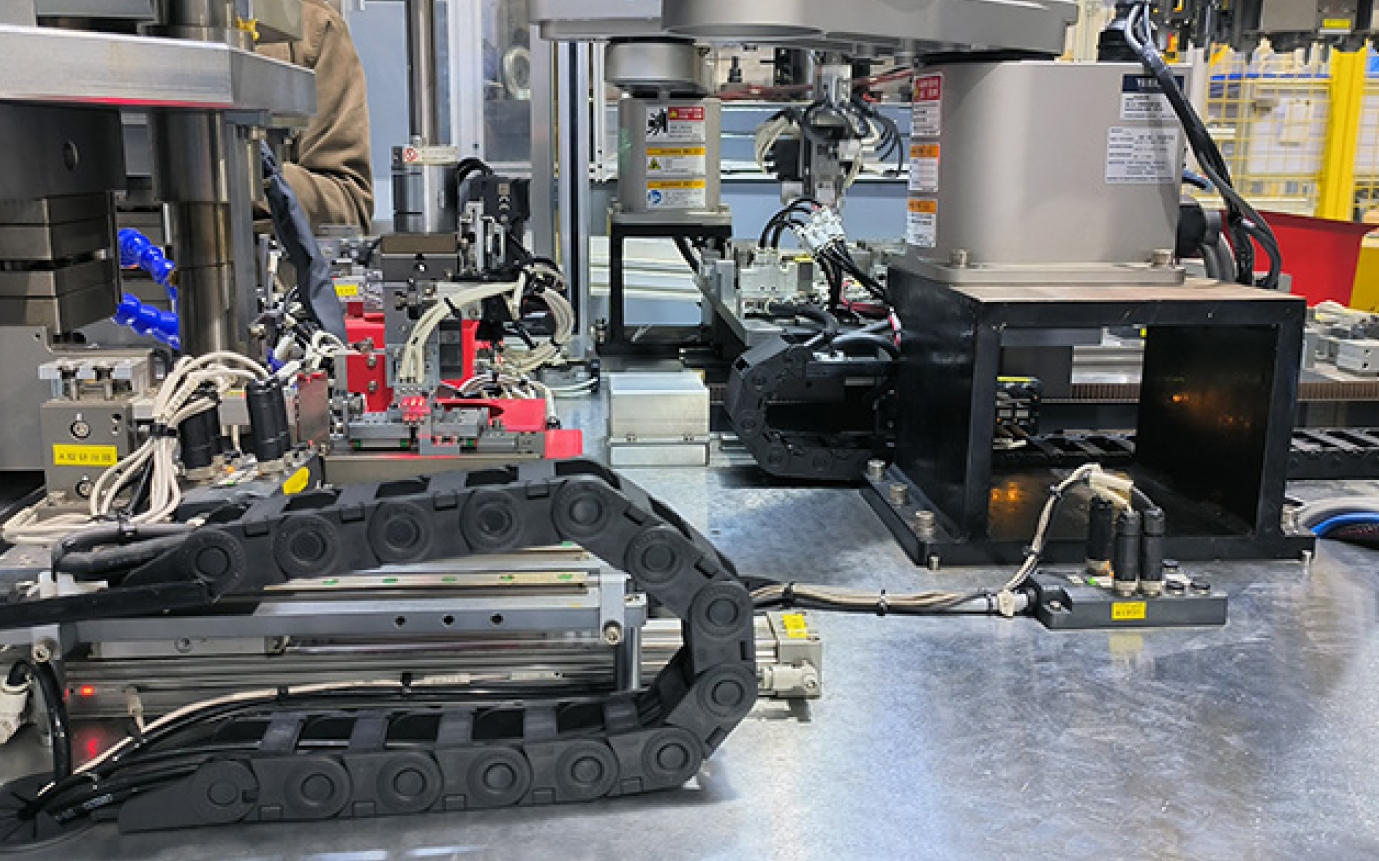


Send us your specification or sample — our engineering team responds with a feasibility review and quotation.

Dutch

English

French

German

Italian

Portuguese

Russian

Spanish