Get a Quote
Choosing the correct wire gauge is one of the most critical steps in custom wiring harness design. The wire gauge directly determines current carrying capacity, heat dissipation efficiency, voltage stability, and overall service life of electrical systems.
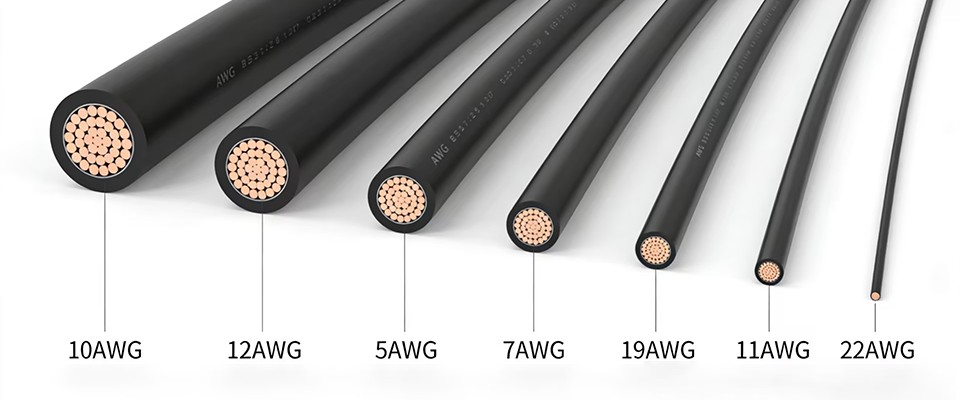
Whether for automotive equipment, consumer electronics, medical devices, or industrial machinery, a properly sized wire harness ensures system safety, stable performance, and long-term reliability. In this comprehensive guide, we explain what wire gauge is, why it matters, key selection factors, and a step-by-step method to choose the ideal AWG wire size for your wiring harness project.
Wire gauge refers to the physical thickness/diameter of electrical wire. The global standard for industrial and electronic wiring is AWG (American Wire Gauge). Wire gauge is inversely proportional to wire thickness and current capacity:
The AWG standard ranges from 00 (thickest) to 40 (thinnest). For example, 10 AWG wire is much thicker and supports higher current than 20 AWG wire, making it suitable for power circuits instead of signal circuits.
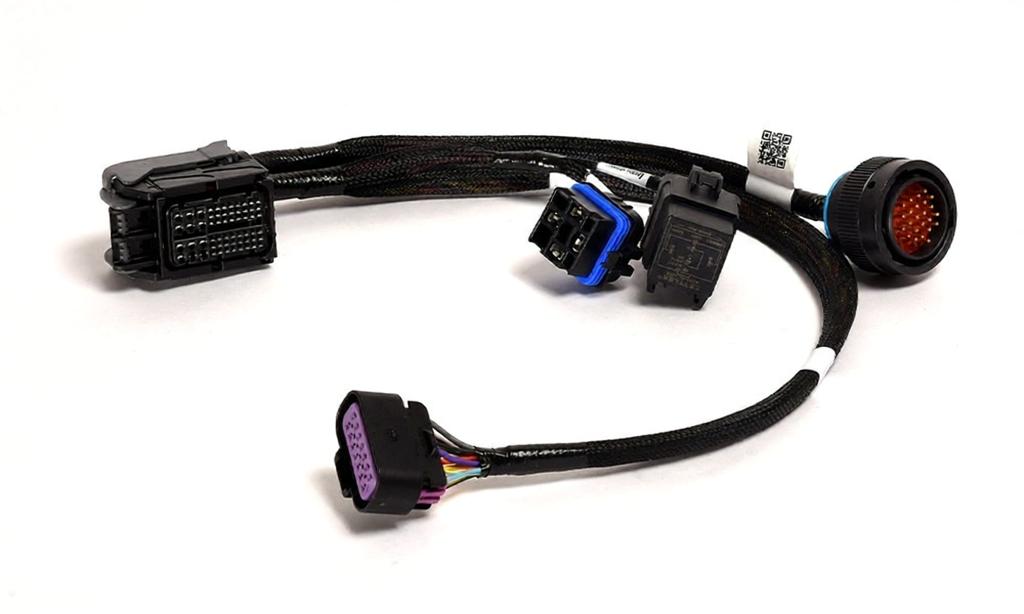
Improper wire gauge selection leads to hidden safety hazards and performance failures. Choosing wire that is too thin or too thick will both negatively impact your system:
1. Current Carrying Capacity (Ampacity)
Ampacity is the maximum safe current a wire can continuously carry under normal working conditions. It is the primary basis for wire gauge selection. Different AWG sizes have fixed standard ampacity ranges for copper wires, which applies to most custom wiring harness scenarios.
2. Application Industry & Usage Scenarios
Different industries have differentiated wire size conventions based on load characteristics and working environments:
3. System Voltage Rating
Wire insulation must match the system’s maximum working voltage. Low-voltage wires cannot be used in high-voltage systems, which will cause insulation breakdown and leakage risks. Typical voltage specifications include 12V/24V for automotive harnesses and 600V/1000V for industrial wiring.
4. Working Temperature & Environment
High-temperature, humid, or corrosive environments require high-temperature resistant insulation materials. Ordinary PVC is suitable for conventional environments, while Teflon and silicone rubber insulation are widely used for high-temperature automotive and industrial wiring harnesses.
5. Insulation Material Properties
Insulation determines heat resistance, wear resistance, corrosion resistance and flexibility of the harness. Reasonable matching of wire gauge and insulation ensures long-term stable operation of the harness.
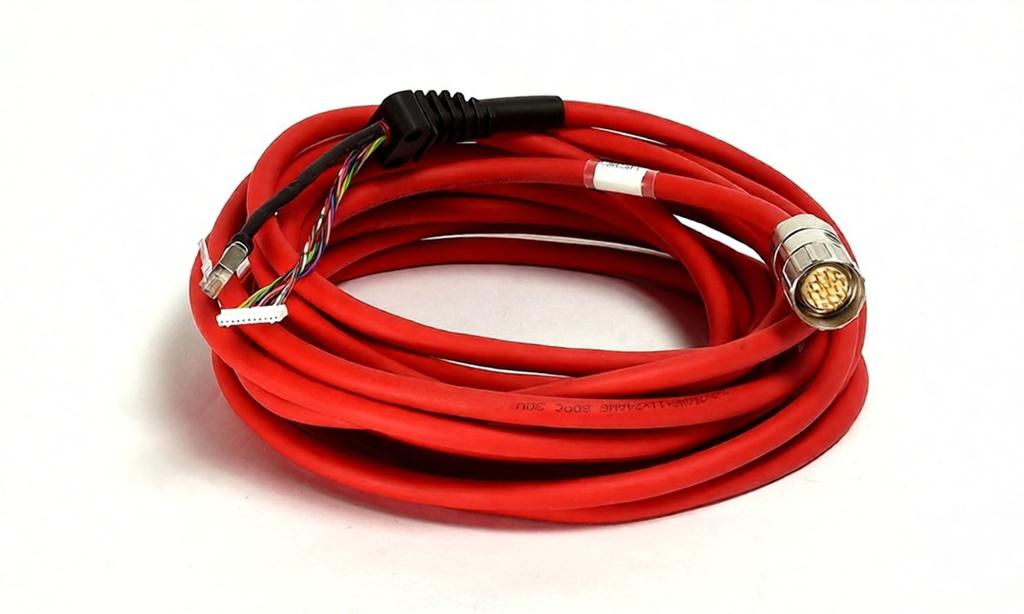
Below is the most commonly referenced AWG wire size ampacity and application table for custom wiring harness manufacturing:
| Wire Gauge (AWG) | Max Ampacity (Copper Wire) | Recommended Application |
| 10 AWG | 30 A | High-power circuits, industrial motors, heavy-load equipment |
| 12 AWG | 20 A | Automotive main wiring, general high-power applications |
| 14 AWG | 15 A | Household appliances, small and medium power equipment |
| 16 AWG | 13 A | Low-power equipment, lighting systems, auxiliary circuits |
| 18 AWG | 10 A | Small home appliances, low-voltage control circuits |
| 20 AWG | 7 A | Precision electronic signal transmission, low-current circuits |
| 22 AWG | 5 A | Sensor wiring, micro-signal circuits, medical electronic harnesses |
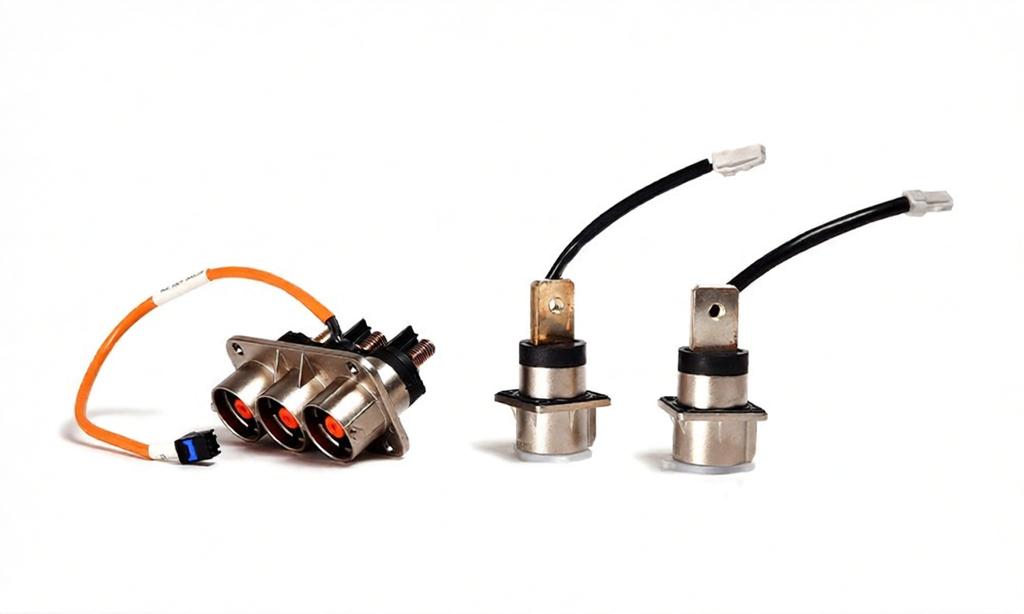
Follow this standard process to accurately determine the wire gauge for your custom wiring harness:
Step 1: Confirm the maximum working current
Calculate the peak current of the load equipment according to system voltage and power parameters, and take the maximum current value as the selection benchmark.
Step 2: Match wire size via AWG chart
Select the corresponding AWG wire gauge according to the actual current to ensure the wire ampacity has a reasonable safety margin.
Step 3: Consider environmental working conditions
Adjust the wire specification according to ambient temperature, humidity, heat dissipation space and long-term continuous working cycle.
Step 4: Select suitable insulation material
Choose PVC, Teflon, silicone and other insulation materials according to high temperature resistance, corrosion resistance and flexibility requirements.
Step 5: Verify overall compatibility
Ensure the wire diameter matches the connector terminal specifications, harness assembly space, and mechanical bending requirements. A fully matched wire gauge guarantees smooth installation, stable connection, and long-term operational reliability of the entire wiring harness system.
By strictly following the above five-step selection process, you can avoid common mistakes such as insufficient ampacity, excessive voltage drop, material waste, and assembly mismatch, realizing the perfect balance of safety, stability and cost-effectiveness for custom wiring harnesses.
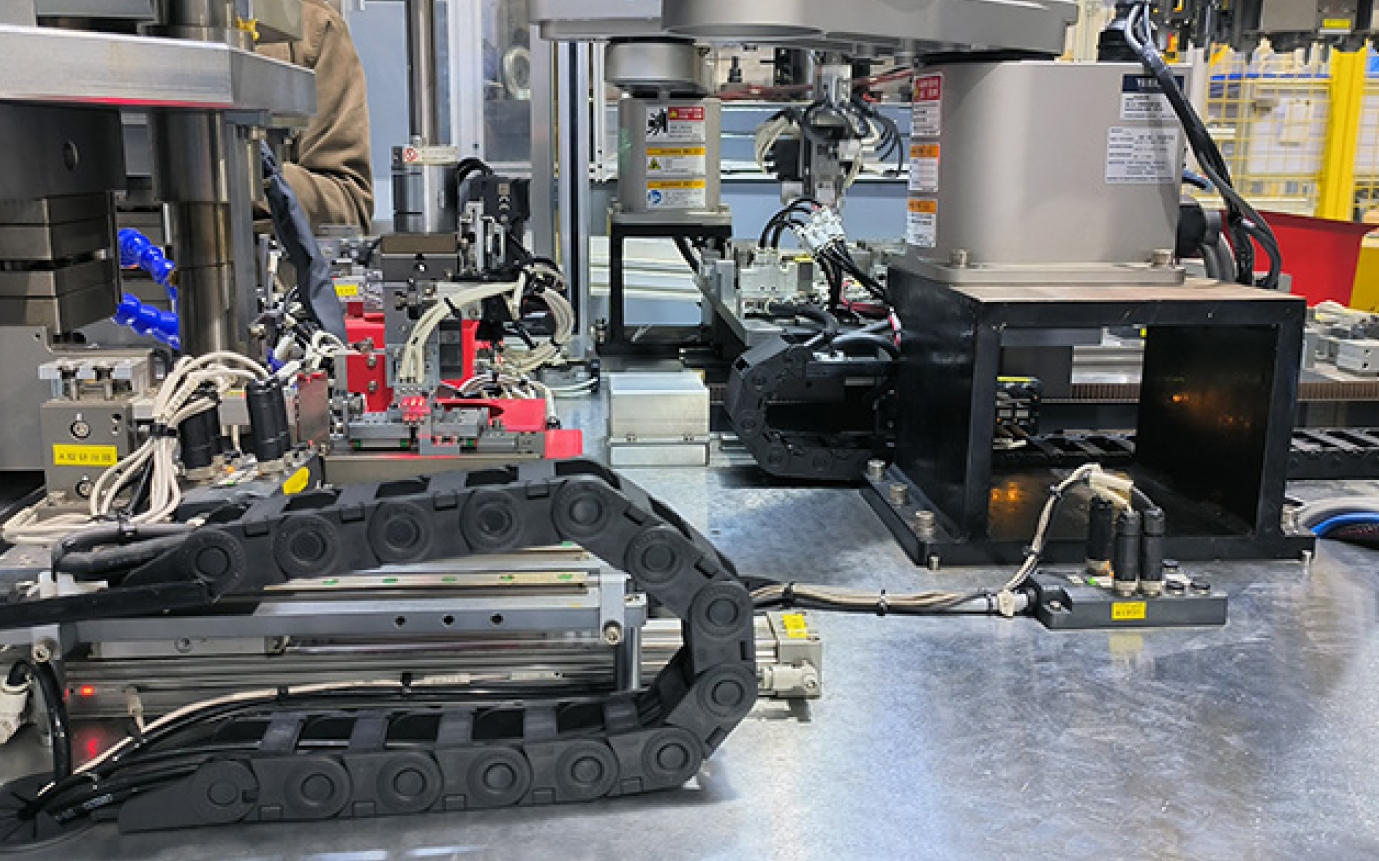



Send us your specification or sample — our engineering team responds with a feasibility review and quotation.

Dutch

English

French

German

Italian

Portuguese

Russian

Spanish